How Quantum Computers Could Change Technology

How Quantum Computers Could Change Technology
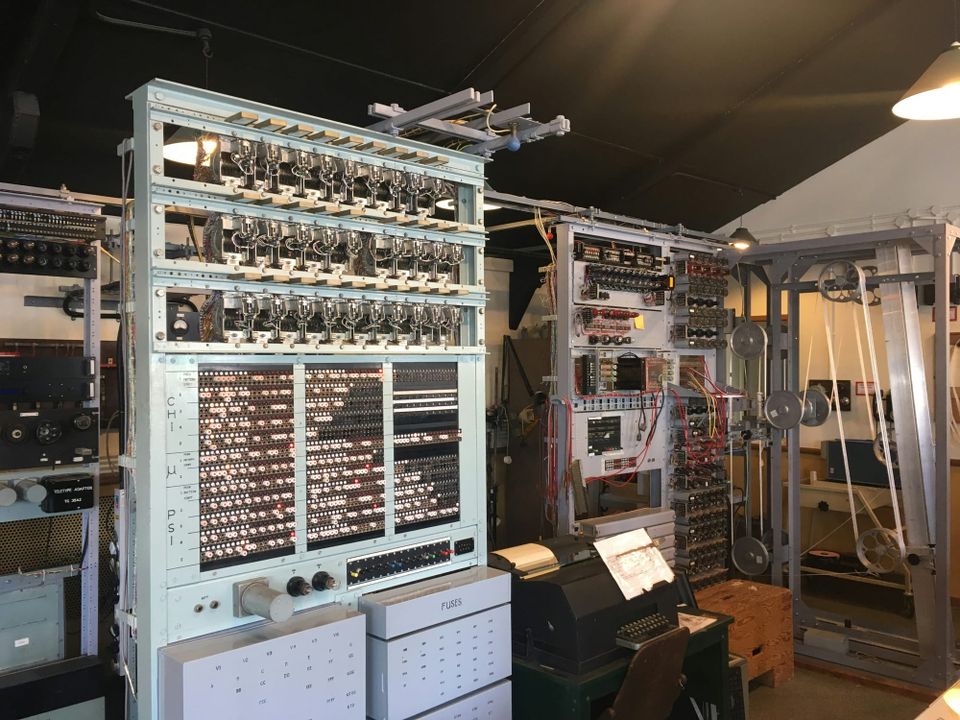
The Colossus Computer on display at the National Museum of Computing

Quick Summary About What Quantum Computing Is and How It Works

Quantum computing is a new type of computing that uses the strange behavior of tiny particles, like electrons and photons, to process information. Unlike normal computers, which use bits that are either 0 or 1, quantum computers use qubits, which can exist in multiple states at once. This could allow quantum computers to solve certain problems much faster than traditional machines.

How Quantum Computers Are Being Developed and Who Is Building Them

Quantum computers are still being developed in research labs and tech companies around the world. Companies and governments are investing heavily to build reliable machines because the first company to create a powerful working quantum computer could gain a huge advantage.

Some major players in the industry include:

  • Startups like Alice & Bob in France
  • Big technology companies like IBM and Google
  • Research institutions and universities
  • Government-backed innovation programs

Other Uses and Benefits of Quantum Computing

Besides faster calculations, quantum computers may help in areas such as:

  • Medicine development – Simulating molecules to create drugs more efficiently
  • Scientific research – Solving highly complex physics and chemistry problems
  • Artificial intelligence – Improving machine learning models
  • Logistics – Optimizing routes, scheduling, and supply chains

Challenges, Risks, and Limitations

Even though quantum computing is promising, there are still major challenges:

  • Qubits are fragile and can lose their quantum state easily
  • Machines must be kept at extremely cold temperatures
  • Systems are expensive and difficult to build
  • The technology is still in early stages and not yet practical for most businesses

A common risk is overestimating how soon quantum computers will become useful. Many experts believe it may still take years before they reach their full potential.

Simple Example

Imagine a pharmaceutical company trying to create a new medicine. Right now, scientists often test many chemical combinations through trial and error. A future quantum computer could simulate millions of molecular reactions much faster, helping researchers discover the best drug formula more quickly and accurately.

Quantum computing is still developing, but many believe it could become one of the most important technological breakthroughs of the future.